Members
Byoung-Il Bae

Byoung-il is an Assistant Professor of Neuroscience at the University of Connecticut School of Medicine. He specializes in brain development, leveraging insights from human genetic disorders and advanced model systems. He holds a Ph.D. in Neuroscience from Johns Hopkins University School of Medicine (2006) and a B.S. in Molecular Biology from Seoul National University (1998). Dr. Bae’s academic journey includes a decade at Harvard Medical School as a Postdoctoral Fellow and Instructor in Pediatrics, followed by a role as an Associate Research Scientist in Neurosurgery at Yale School of Medicine. Since 2019, he has been leading neuroscience research at UConn Health.
His expertise spans molecular and cell biology, with research focusing on the genetic and cellular mechanisms underlying cerebral development. His work has contributed to understanding cortical patterning, p53-mediated dysfunction in Huntington’s disease, and the evolution of cortical size. Dr. Bae has authored key publications, including studies on alternative splicing, GAPDH-mediated cytotoxicity, and genetic factors shaping the human brain.
Bo Hyoung (Jeff) Lee
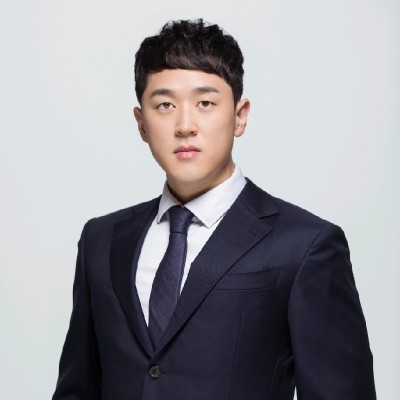
Jeff is a Corporate M&A Attorney at Shin & Kim, one of Korea’s leading law firms, specializing in cross-border transactions with particular expertise in biotech strategy and AI regulation. Currently pursuing an LL.M. at Stanford Law School (2025-2026), he serves as a Fellow at the Center for Law and Biosciences and Lead Editor of the Stanford Technology Law Review, positioning himself at the forefront of emerging legal frameworks for biotechnology and artificial intelligence.
His unique interdisciplinary background combines medicine, law, and business. He holds a Doctor of Medicine (M.D.) from Seoul National University, a Ph.D. in Administrative Law (Regulatory Law) from Seoul National University, and a J.D. from Seoul National University. His undergraduate studies included a remarkable quadruple major in Biology, Business, Psychology, and Philosophy at Seoul National University, demonstrating his commitment to understanding complex systems from multiple perspectives.
Bo Hyoung’s legal career includes serving as a Public-service Advocate at the Ministry of Justice (2018-2021) and currently as an Attorney at Shin & Kim (2021-present). He also serves as a Part-time Professor at Seoul National University, where he teaches and contributes to legal scholarship. His professional engagement extends to the Asian Pacific American Bar Association of Silicon Valley, where he serves on the Venture Capital Committee, bridging Korean and Silicon Valley legal ecosystems.
His expertise spans environmental policy, trend analysis, and statistical data analysis, with professional certifications including Certified Credit Analyst, Attorney, and Certified Investment Manager. His practice focuses on the regulatory challenges at the intersection of biotechnology, artificial intelligence, and corporate transactions. Bo Hyoung’s comprehensive understanding of both scientific and legal frameworks makes him uniquely qualified to navigate the complex regulatory landscape facing innovative technology companies, particularly in the rapidly evolving fields of biotech and AI.
Dayoung Jeong
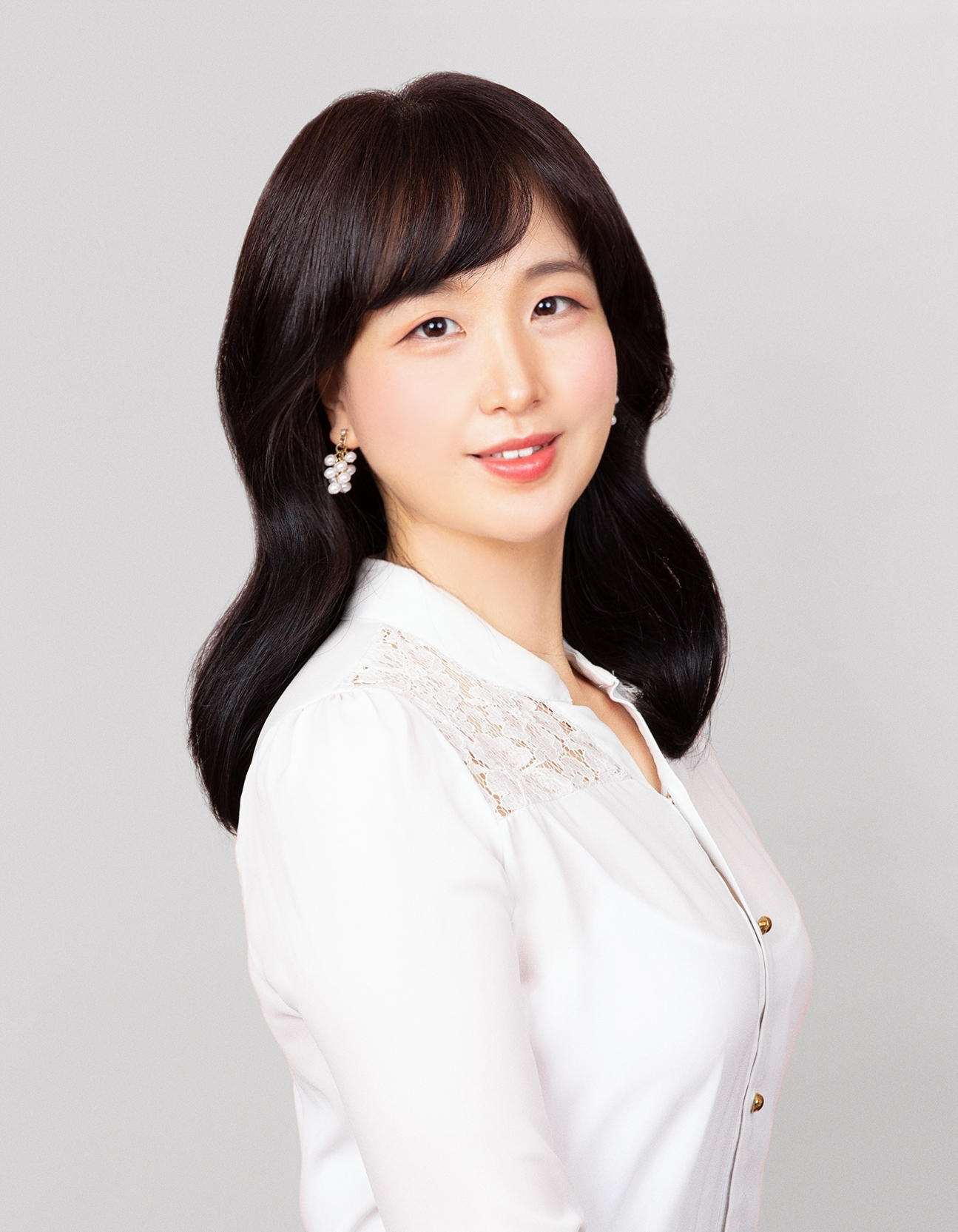
Dayoung is an associate professor of law at Chungnam National University. She previously served as an assistant professor at Yeungnam University and has held visiting scholar positions at leading institutions, including the University of California, Berkeley, and Paris-Panthéon-Assas University.
Before entering academia, she built a solid foundation in public service, working as a deputy director at both the Defense Acquisition Program Administration and the Korea Ministry of Government Legislation. She passed the South Korean bar exam in 2008 and completed her judicial training at the Judicial Research and Training Institute.
Dayoung holds both bachelor’s and master’s degrees in law from Seoul National University. Drawing on her diverse background in academia, government, and legal practice, she offers a multidimensional perspective that bridges legal theory with practical policy insights in the context of the Korean legal system.
Gregory Hyung Jin Park

Gregory is a Senior Director at Korea Quantum Computing in Busan and the Founder/CTO of Quantum MicroMaterials Inc. His entrepreneurial career includes founding multiple technology ventures, serving as Founder, COO & CTO of Probus Medical Technologies since 2019, and as Founder & CEO of PYCh Science Inc. from 2014 to 2019.
His professional background includes scientific research and industry experience, having worked as a Scientist at the Korea Basic Science Institute (KBSI) and as a Senior Engineer at Samsung Display, which branched out from the LCD Division of Samsung Electronics Co. Ltd. in 2012.
Gregory earned his education at the University of California, Berkeley. His multifaceted career spans quantum computing, materials science, medical technologies, and display engineering, demonstrating his versatility and innovation across multiple high-tech domains. His expertise brings valuable insights to the intersection of quantum technologies and commercial applications, contributing to the advancement of cutting-edge technological developments in Korea and globally.
Gunsu Yun
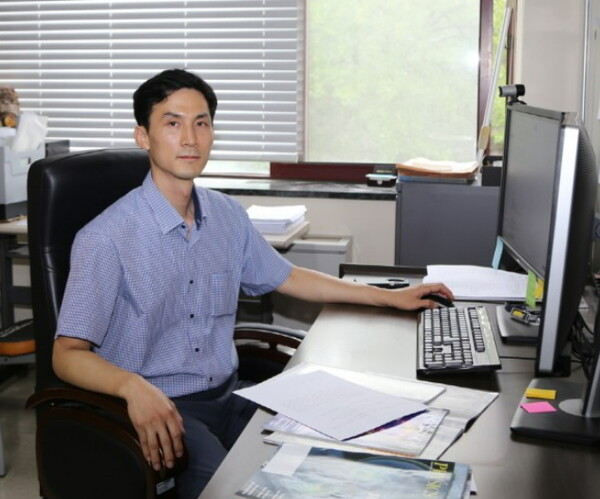
Gunsu is a Professor of the Department of Physcis of POSTECH. He is a distinguished researcher specializing in plasma physics and magnetohydrodynamics (MHD). He earned his Ph.D. (2008) and M.S. (2004) in plasma physics from the California Institute of Technology and a B.S. (1998) from POSTECH. His research focuses on high-pressure plasma source technologies, strongly coupled plasma systems under extreme conditions, plasma-surface interactions, and MHD phenomena.
His major research contributions include developing 2D microwave imaging diagnostics, discovering dynamic equilibria and phase transitions of MHD modes in fusion plasma, identifying a universal colliation mechanism for current-carrying flux tubes, and extending the gas breakdown law to high-frequency, high-pressure conditions.
Jae-Eun Paik
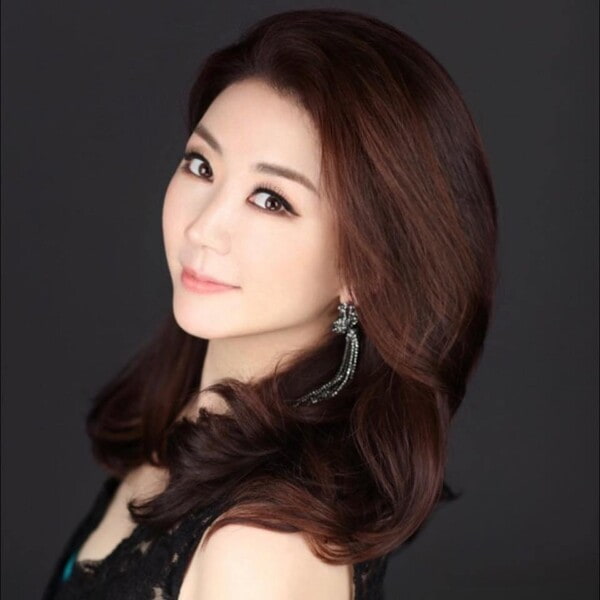
Jae-Eun is a distinguished mezzo-soprano known as “Korea’s Carmen” for her acclaimed performances in this iconic role. She has performed internationally with Korean National Opera, Poland National Opera, and major American opera companies including Virginia Opera and Shreveport Opera. Her performances have been praised by The Washington Post for her “deeply appealing voice” and by The Chautauqua Daily for her “well produced dark sonority, vocal intensity and dramatic rightness.”
She has appeared in leading roles in operas including Carmen, Così fan tutte, Rigoletto, Madama Butterfly, Les Contes d’Hoffmann, and many others. Her concert work spans collaborations with New England Chamber Orchestra, KBS Orchestra, Seoul National University Orchestra, and Pohang City Orchestra, performing major works including Handel’s Messiah, Mozart’s Requiem, and Bach’s Mass in B Minor. She has performed under renowned conductor Myung-Hun Chung in Mahler’s Symphony No. 8 and Beethoven’s Symphony No. 9.
Her accolades include winning the Metropolitan Opera National Council Regional Award (2005), receiving “Singer of the Year” awards from Shreveport Opera (2004, 2005), and earning the Newcomer Award at the Korea Opera Awards (2009). She graduated from Seoul National University (B.M.) and earned her Master’s degree and Professional Diploma at Mannes College of Music in New York City.
She recently authored “Dear My Opera” (디어 마이 오페라), a book introducing eleven essential operas to make this art form more accessible to the public. Her work bridges high art and popular culture, demonstrating how classical music can serve as a gateway to understanding human emotions and cultural narratives. Her unique perspective on cultural communication and arts education brings valuable insights to discussions about technology’s role in preserving and transforming artistic expression.
Hongseok Kim
Hongseok is a Professor in the Department of Electronic Engineering @ Sogang University. He received his B.S. and M.S. degrees in the School of Electrical Engineering from Seoul National University, South Korea, and his Ph.D. degree in the Department of Electrical and Computer Engineering at The University of Texas at Austin, USA. He was a Post Doctoral Research Associate at Princeton University, and a Member of Technical Staff at Bell Laboratories Alcatel-Lucent, Murray Hill, USA. His current research interests include AI and machine learning, optimization and resource management in networks, specifically focused on energy ICT, power systems, smart grid communications, wireless networks and economics. Dr. Hongseok Kim is one of the two recipients of the Korea Government Oversea Scholarship during 2005-2008. He received the Haedong Young Professor Award in 2016. He has been an IEEE Senior Member since 2016.
Hyun Nam
Hyun is a Partner at SEUM Law specializing in intellectual property, bankruptcy, criminal, and family law. He previously served as a Judge at various courts in South Korea, including the Jeonju District Court, Jeju Branch of Gwangju High Court, Western Branch of the Busan District Court, and Seoul Central District Court, where he handled various case types including criminal, bankruptcy, family, and civil appeals. He also worked as a Research Judge at the Supreme Court of Korea on the IP team.
His extensive legal career spans nearly two decades, including serving as Secretary General for the Korea Patent Law Society. During his judicial career, he gained broad expertise across multiple practice areas. He was also a Visiting Scholar at IIT Chicago-Kent College of Law.
Hyun received his B.S. in Chemical Technology from Seoul National University (1998) and earned his Attorney-at-Law License from the Judicial Research and Training Institute, the Supreme Court of the Republic of Korea (2005). He is licensed to practice law in South Korea and the U.S. state of Illinois. He currently serves as a Director of the Korea Patent Law Society, combining his technical background with legal expertise in his practice.
Natalie Huh
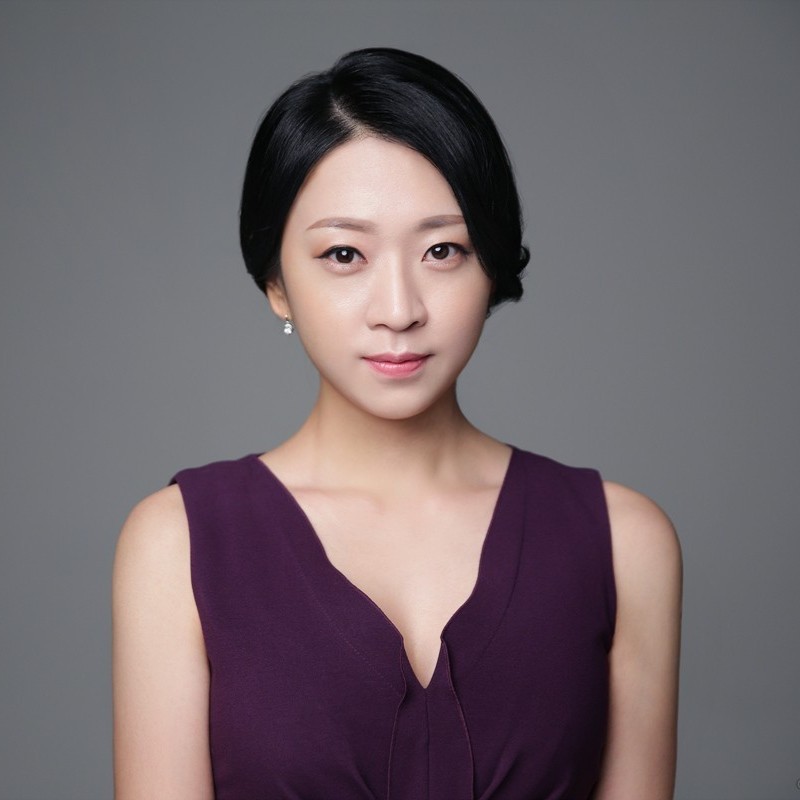
Natalie is a Trial Attorney at Quinn Emanuel in Silicon Valley, specializing in intellectual property litigation. Her legal career includes experience as an Associate at White & Case LLP and an externship with Judge Edward M. Chen at the U.S. District Court for the Northern District of California. Before transitioning to law, she worked in finance as a Trader at JPMorgan Chase & Co. in Hong Kong and ANZ in Seoul, followed by a role as Product Manager at PIMCO.
Her educational background spans both technical and legal fields, with a Doctor of Law (JD) from the University of California, Hastings College of the Law, an MBA from Stanford University Graduate School of Business, and a Bachelor of Engineering in Electrical Engineering and Computer Science from Korea Advanced Institute of Science and Technology (KAIST).
Natalie holds multiple professional certifications, including Patent Attorney and Chartered Financial Analyst (CFA). She has authored publications on patent law and U.S. financial markets, including analyses of Congressional actions affecting patent holders and investment strategies for Silicon Valley companies. Her unique combination of technical expertise, financial acumen, and legal knowledge provides a multidisciplinary perspective on intellectual property and technology law issues.
Sang Min Nam
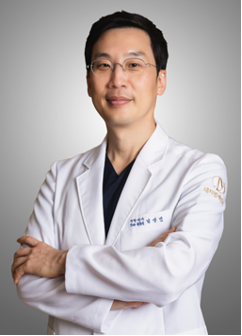
Sang Min is a board-certified ophthalmologist and physician-scientist specializing in cornea and external eye diseases, cataract surgery, and biomedical informatics. He serves as Co-director of Daechi Yonsei Eye Clinic in Seoul and as a Research Professor at CHA University School of Medicine.
With a multidisciplinary academic background from Yonsei University, Severance Hospital, CHA University, and the University of California, San Francisco, he operates at the intersection of clinical medicine and advanced data science. He has contributed to the creation of AI-based tools for diagnosing disease using multimodal data, including combinations of medical imaging and clinical tests. His work spans conditions such as chronic kidney disease—using retinal images and urine dipstick data—and dry eye disease, analyzed through national health and nutrition survey datasets.
His broader research interests lie in data-driven healthcare, where he leverages computational tools such as ML and network analysis to reveal hidden patterns and relationships across large-scale population datasets. His efforts aim to enhance early detection, enable personalized care, and promote preventive strategies in both systemic and ophthalmic health. He is the author of numerous peer-reviewed publications, holds patents in AI-assisted diagnostics, and serves in leadership roles within professional societies. He is committed to shaping a future in which algorithmic insight augments medical practice for smarter, more accessible, and human-centered care.
Seonhee Lim
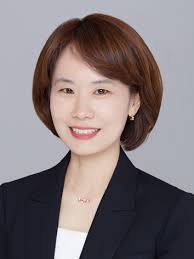
Seonhee is a Professor in the Department of Mathematical Sciences at Seoul National University. Her research focuses on homogeneous dynamics and number theory, geometric group theory, and the dynamics of group actions on trees and metric spaces of non-positive curvature. She specializes in group actions on homogeneous spaces with applications to number theory, lattices of Lie groups, entropy rigidity, and thermodynamics formalism.
She is an active organizer of mathematical conferences and seminars, including the “Dynamics & Number Theory” seminar and various workshops on dynamical systems and number theory. Her international recognition is evidenced by numerous invited talks at prestigious institutions worldwide, including lectures at IISER-Pune in India, KIAS in Korea, universities in England, Germany, Switzerland, Singapore, Australia, and the United States.
Soojin Kim
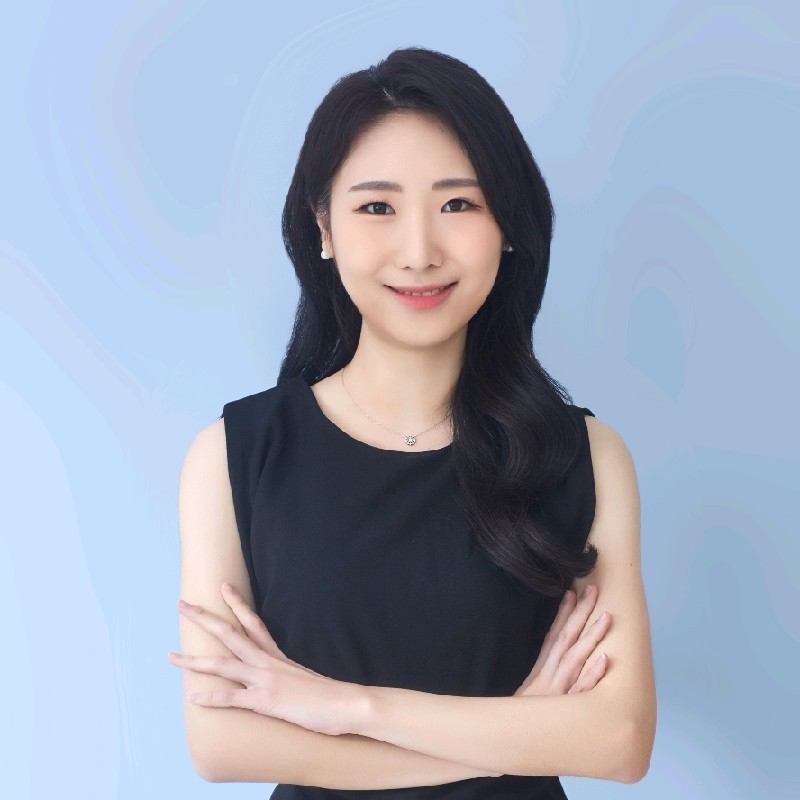
Soojin is a Senior Scientist at Genentech with over a decade of specialized experience in iPSC-based neurodegenerative disease research. Her expertise centers on organelle pathobiology using iPSC-derived neurons and glial cells, combined with CRISPR/Cas9 genome editing and advanced imaging techniques. Her previous academic appointments include Postdoctoral Research Fellow positions at UC San Diego and Northwestern Memorial Hospital.
Her research contributions include significant publications on organelle membrane contact sites in neurological diseases, mitochondrial dynamics and network regulation, and iPSC-based disease modeling. As a Silver medalist in the International Biology Olympiad, she demonstrated early scientific promise that has continued throughout her career.
Soojin earned her Ph.D. in Neuroscience from Northwestern University, where she also completed a specialized management program for scientists at the Kellogg School of Management. She received her Bachelor of Science in Biological Sciences with a combined minor in Brain-Mind-Behavior from Seoul National University after graduating from Seoul Science High School. Her interdisciplinary background bridges neuroscience, cell biology, and translational research for drug discovery applications.
Sue Kim
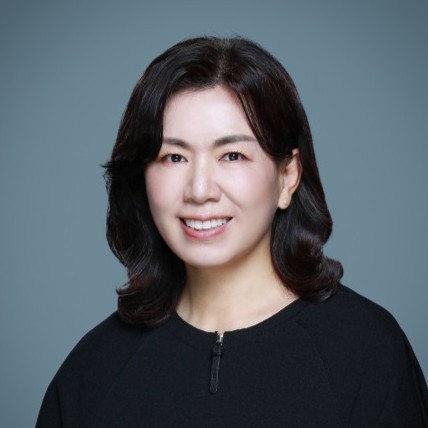
Sue is a distinguished global communications executive and the current Vice President of Corporate Marketing & Strategy at ANAFLASH Inc., a Silicon Valley-based semiconductor company specializing in data-centric processor solutions. With over 25 years of experience leading marketing and communications for both large-scale semiconductor enterprises and startups in Silicon Valley, Sue brings a deep expertise in strategic storytelling, corporate branding, and global marketing execution.
Previously, Sue has held senior marketing leadership roles at Samsung Semiconductor, ams OSRAM, Marvell Semiconductor, and Renesas (formerly IDT), where she translated complex technological innovations into narratives that resonate across diverse stakeholder groups. She also founded Korea operations for The Hoffman Agency, a global PR firm.
She focuses on how technology companies can effectively convey their innovations to global markets while maintaining a focus on leadership and human-centric communication. Sue’s professional approach is defined by her ability to bridge the gap between complex technical innovation and human-centric narratives. Her unique perspective on cross-cultural communication and the ethical, social, and economic impacts of technology aligns with the Solar Society’s mission.
Sue’s leadership is underpinned by a robust educational foundation, including the Global C-Suite Program at Wharton Executive Education and the Advanced Leadership Program at Stanford Graduate School of Business. She also studied marketing communications at the British Columbia Institute of Technology and holds a Bachelor of Arts in English Language and Literature from Kookmin University in Seoul.
Sunghee Yun
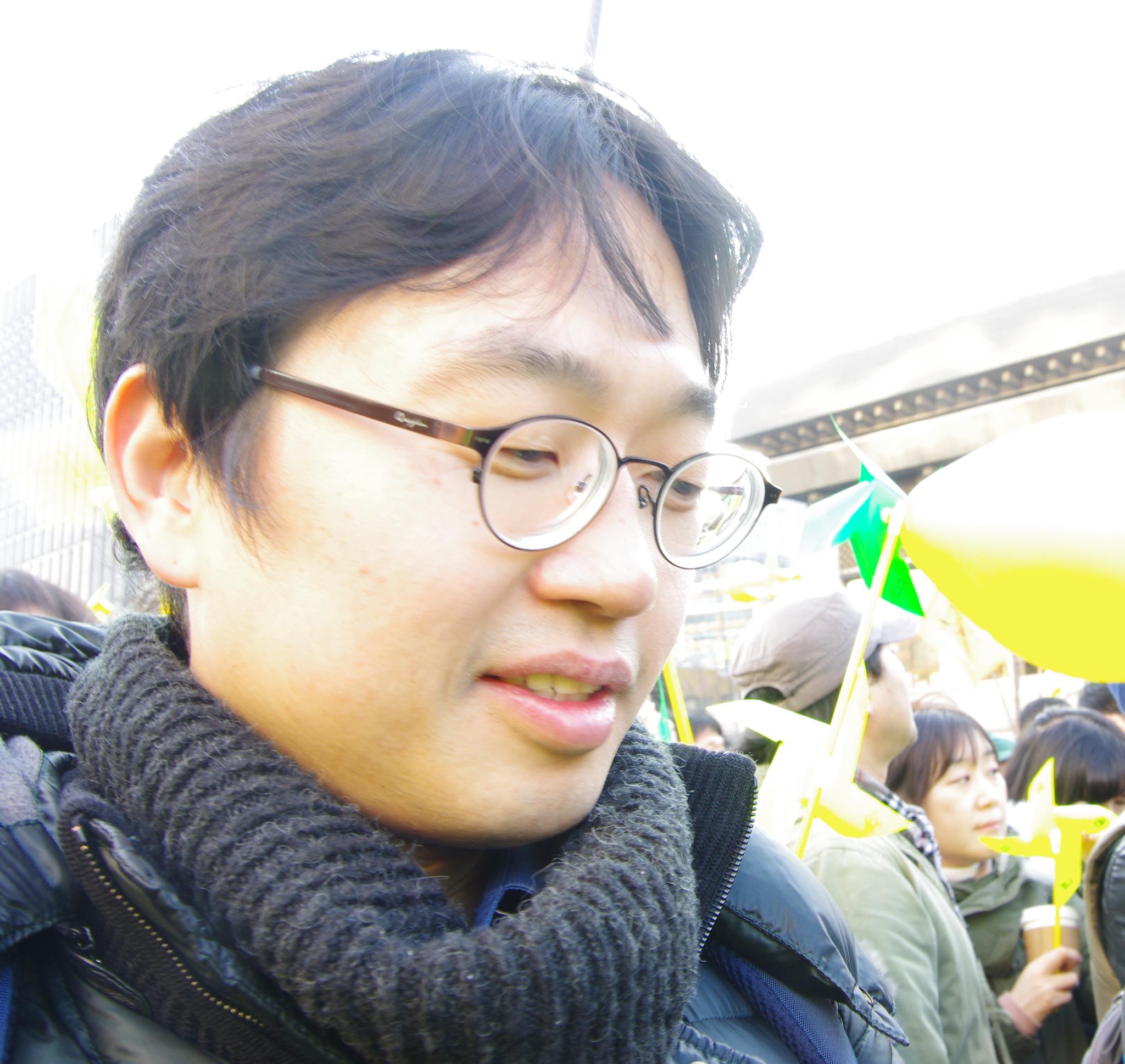
Sunghee is Co-founder & CTO @ Erudio Bio, Inc., CA, USA, Co-founder & CEO @ Erudio Bio Korea, Inc., Korea Leader of Silicon Valley Privacy-Preserving AI Forum (K-PAI), Advisor @ Korean American Semiconductor Professional Alliance (KASPA), CGO / Global Managing Partner @ LULUMEDIC, KFAS-Salzburg Global Leadership Initiative Fellow @ Salzburg Global Seminar, Salzburg, Austria, AI-Korean Medicine Integration Initiative Task Force Member @ The Association of Korean Medicine, an Visiting Professor of the Department of Electronic Engineering @ Sogang University, Seoul, South Korea, an Advisory Professor of the Department of Electrical Engineering & Computer Science (EECS) @ Daegu Gyeongbuk Institute of Science & Technology (DGIST), South Korea, Global Advisory Board Member @ Innovative Future Brain-Inspired Intelligence System Semiconductor of Sogang University, Network Expert Consultant @ Gerson Lehrman Group, Inc., Chief Business Development Officer (CBDO) @ WeStory.ai, CA, USA, and Advisor @ CryptoLab, Inc..
He earned his Ph.D. and M.S. in Electrical Engineering from Stanford University under the supervision of Professor Stephen Boyd, making him Boyd’s first Korean doctoral student. His dissertation focused on convex optimization applied to semiconductor design, establishing foundational work that continues to influence optimization applications across multiple industries. He holds a B.S. in Electrical Engineering from Seoul National University. Following his doctorate, he joined Samsung Semiconductor, where he spent 12 years in the Computer-Aided Engineering (CAE) Team, Design Technology (DT) Team, Strategic Sales & Marketing Team, and Software Research Center. During this time, he developed diverse AI and optimization tools for semiconductor chip designers, manufacturing engineers, and test engineers, including the widely-used iOpt platform—a generic AI optimization framework that remains in daily use by hundreds of Samsung engineers.
He subsequently co-founded Gauss Labs, Inc., SK Group’s first AI company, where he built and ran the US Headquarters while serving as CTO, Global Head of Research, Chief Applied Scientist, and Senior Fellow, spearheading research and development of core technologies bringing advanced optimization and AI capabilities to industrial manufacturing. This experience laid the groundwork for his current venture at Erudio Bio, where he applies the same rigorous optimization principles that revolutionized semiconductor design to the challenges of drug discovery and precision medicine. Erudio Bio’s bioTCAD platform represents a paradigm shift in pharmaceutical development, using AI and computational methods to predict drug efficacy, identify biomarkers, and accelerate the path from discovery to clinical application. His leadership at Erudio Bio has positioned the company at the forefront of AI-powered biotech innovation, culminating in significant recognition including the Gates Foundation $1 million Award and prominent speaking engagements at major international forums such as G-Bio Week 2025 and IFEZ X K-BioX ABDD Summit, where he presented on “The AI Metamorphosis - Navigating New Frontiers in Technology, Society, and Human Experience.”
Beyond his corporate and entrepreneurial ventures, Sunghee has emerged as a thought leader and educator bridging AI, optimization, philosophy, and ethics. In 2025 alone, he delivered over 53 AI special lectures, seminars, and corporate consultations across Korea, the US, and internationally at institutions including Seoul National University, KAIST, POSTECH, Korea University Business School, Stanford University, and numerous government and industry forums. These extensive interactions revealed a critical gap: most people who teach and use convex optimization lack genuine, multi-dimensional understanding of the field’s foundational concepts. This realization inspired him to establish the Convex Optimization Forum, dedicated to pursuing deeper understanding beyond mechanical knowledge. Through K-PAI, which has become widely recognized throughout Silicon Valley’s Korean community and beyond, Erudio Bio, and his various advisory roles, he continues to advance both the theoretical foundations and practical applications of AI and optimization while fostering communities dedicated to rigorous intellectual exploration. His work bridges technical excellence with humanistic inquiry—maintaining active interests in philosophy, theology, and the intersection of mathematics with consciousness and meaning-creation. His mathematical genealogy traces through Stephen Boyd back to Gauss, Euler, and Fourier, giving him an Erdős number of 3.
Taeeun Kim
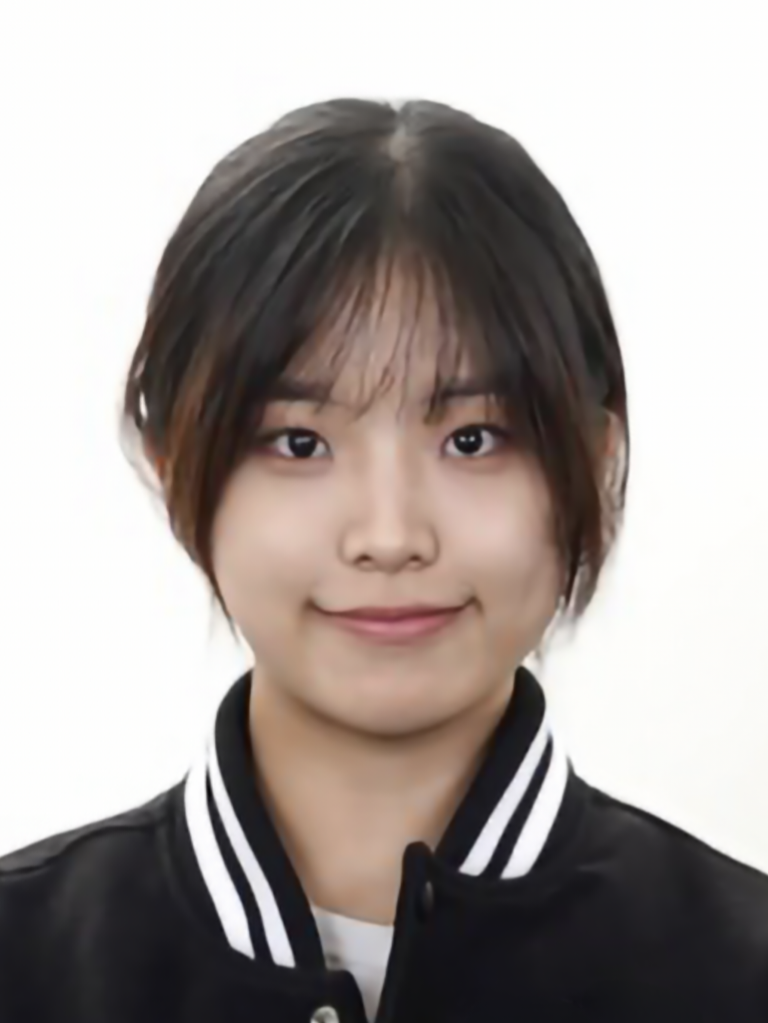
Taeeun is a Research Assistant at Seoul National University’s Research Institute of Pharmaceutical Sciences (RIPS), where she works in the field of neuroimmunology. She is currently completing her undergraduate degree in Biotechnology at Korea University and has developed an interdisciplinary academic background encompassing bioinformatics, physiology, psychology, and neuroscience. Her academic interests center on personalized therapeutics and human-centered approaches to healthcare that integrate biological and psychological perspectives.
As an exchange student at San Jose State University in 2025, Taeeun expanded her training in life sciences and psychology, strengthening her understanding of both molecular mechanisms and behavioral aspects of human health. Her research experience spans diverse areas of life sciences, including structural biology, plant genetic studies, and computational genomics, gained through multiple laboratories at Korea University. Her work has focused on topics such as cell penetration efficiency, metabolic regulation, and cellular responses to oxidative stress.
Taeeun has presented her research at several academic forums, including a poster presentation at the 2024 AI Biohealthcare Drug Discovery Summit, where she received the Grand Award. This experience reflects her interest in applying computational and AI-based approaches to problems in biotechnology and precision medicine.
In addition to her research activities, Taeeun has taken on various leadership and organizational roles. She served as President of PRIMER, an academic biotechnology club at Korea University, and as Vice President of the Department of Biotechnology. She has also been involved in the management of K-BioX, contributing as SNS Team Lead, Poster Team Lead, and Registration Team Lead for large-scale biotechnology conferences. Outside academia, she has participated in environmental and social initiatives as a Greenpeace activist and as a youth supporter for Today’s Newspaper, engaging in discussions on sustainability and generational perspectives in society.
Yoonhak Baek
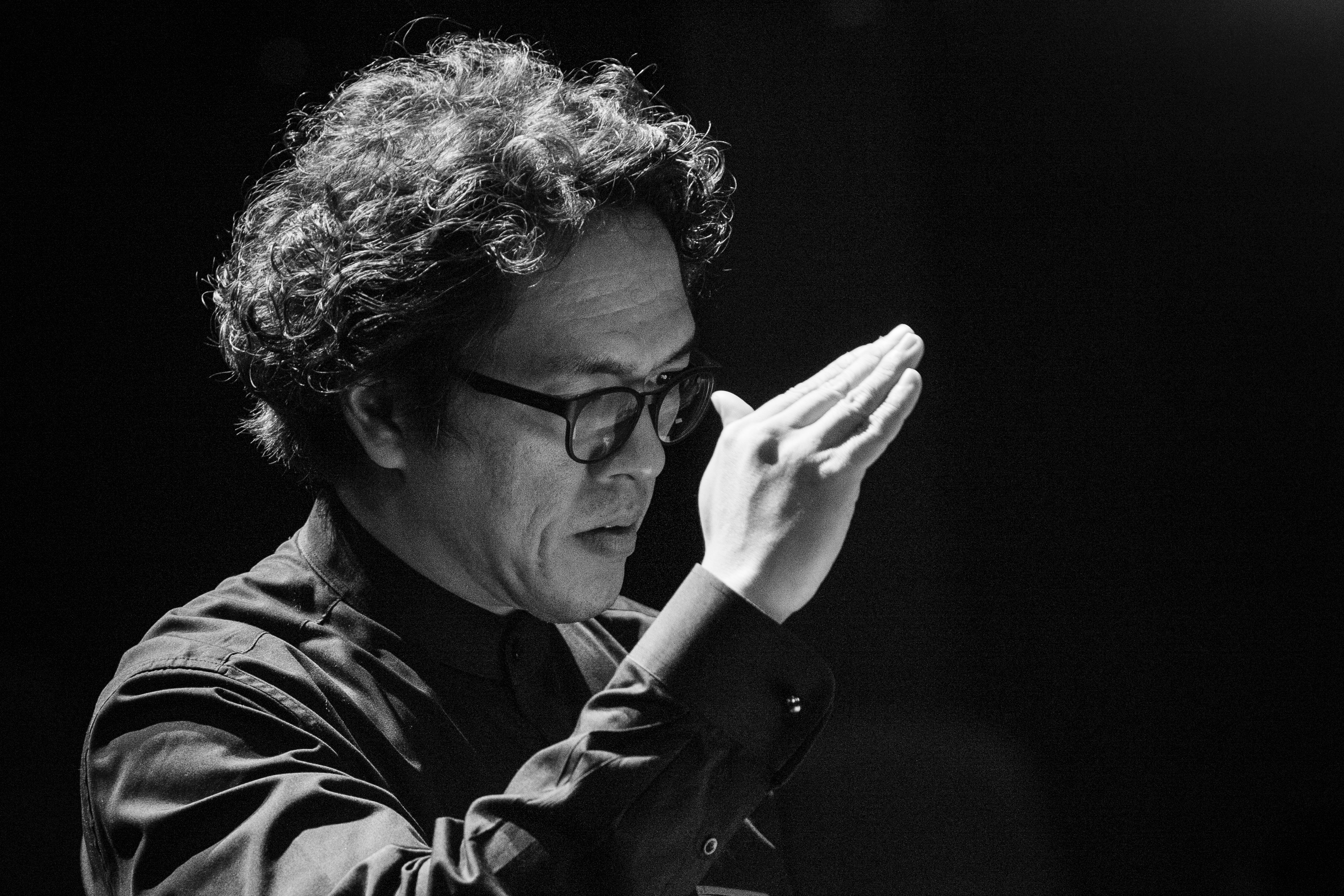
Yoonhak is a conductor and professor @ Yeungnam University, Korea. He used to serve as the Artistic Director @ Concert Opera Philadelphia and Associate Conductor & Chorus Master @ Opera Delaware, while also being the Music Director @ Gloria Youth Orchestra in New Jersey. He has conducted major orchestras including Seoul Philharmonic, Opera Delaware Orchestra, and Sofia Festival Orchestra, specializing in both traditional and contemporary repertoire. He has received recommendations from notable figures including Grammy Award winner Dr. Jennifer Higdon and composer Unsuk Chin. His educational background includes an Artistic Diploma in Orchestral Conducting from Curtis Institute of Music, M.M. in Opera Coaching from Temple University, and B.S. in Electrical Engineering from Seoul National University, having transitioned from engineering to music after his undergraduate studies.
Youngwook (Hayden) Song
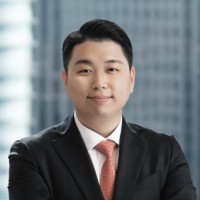
Hayden is an Environment & Safety Attorney at Kim & Chang, one of Korea’s leading law firms, where he has practiced for over seven years specializing in environmental law and occupational safety & health. His unique background combining legal expertise with technical knowledge makes him particularly valuable in addressing complex regulatory matters at the intersection of technology, industry, and environmental protection.
Currently pursuing an LL.M. in Environmental Law and Policy at Stanford Law School (2025-2026), Hayden is expanding his expertise in U.S. and international environmental frameworks. His practice covers a comprehensive range of environmental issues including climate change regulations, air and water pollution control, waste management, hazardous chemicals regulation, and environmental impact assessments, as well as occupational safety and health management systems.
His academic credentials include a Ph.D. in Administrative Law (Environmental Law) from Korea University, a J.D. from Korea University, and a B.S. in Chemical Engineering from Pohang University of Science and Technology (POSTECH), with an exchange program at the Australian National University. This combination of chemical engineering and legal training enables him to provide technically sophisticated counsel to global companies on regulatory compliance, environmental litigation, and the development of sustainable business practices.
Before joining Kim & Chang, Hayden served as a Judge Advocate in the Republic of Korea Air Force for three years, where he gained valuable experience in military justice and regulatory enforcement. His interdisciplinary approach bridges environmental conservation with sustainable industrial development, making him an essential voice in discussions about how technology and industry can evolve responsibly in the face of climate change and environmental challenges.